Proximity is Power: A New Playbook for Community Impact
Financial leaders and community partners explored how clarity of purpose and sustained investment in equity can help Indianapolis thrive.
When institutions choose to lean in rather than step back, real change becomes possible.
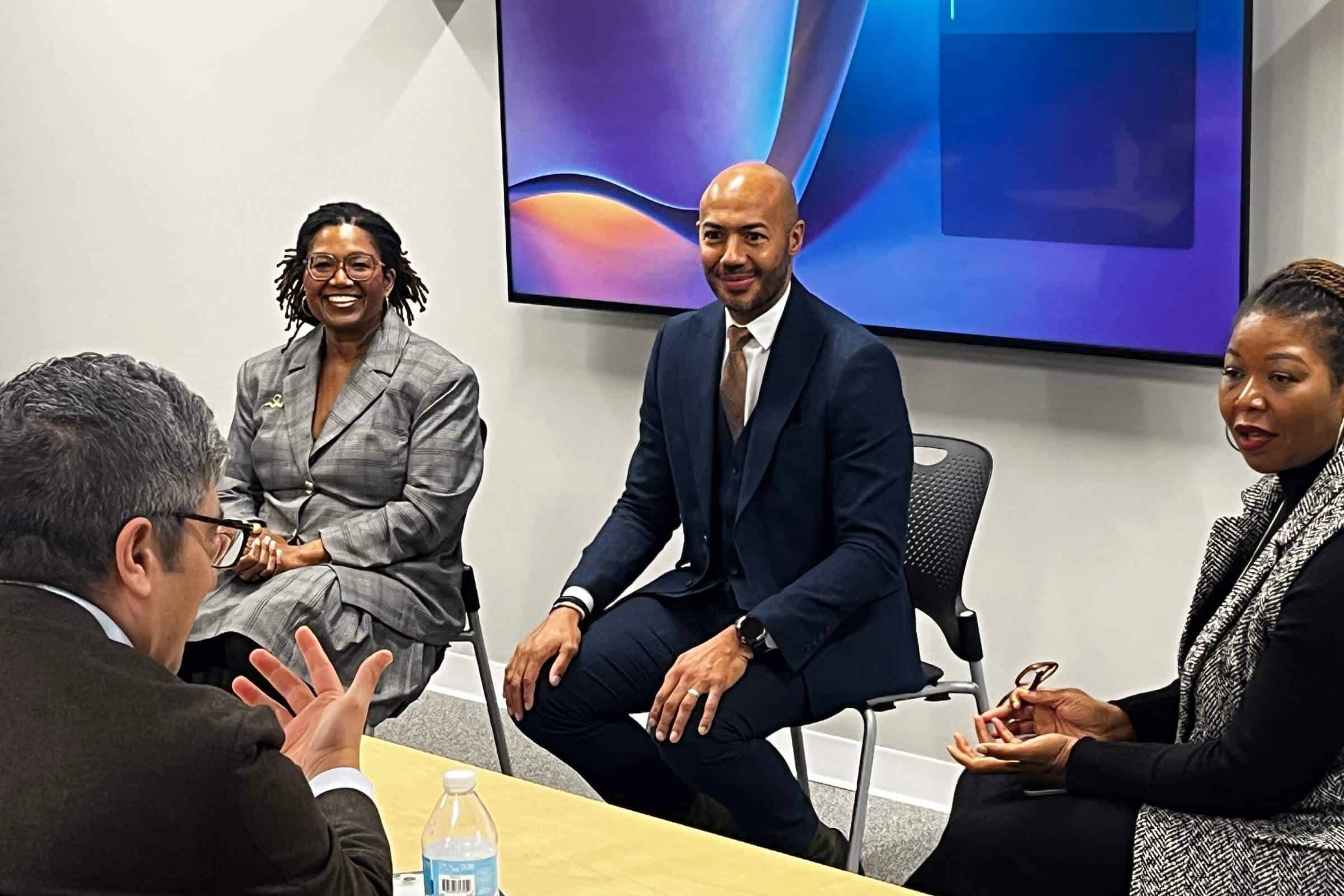
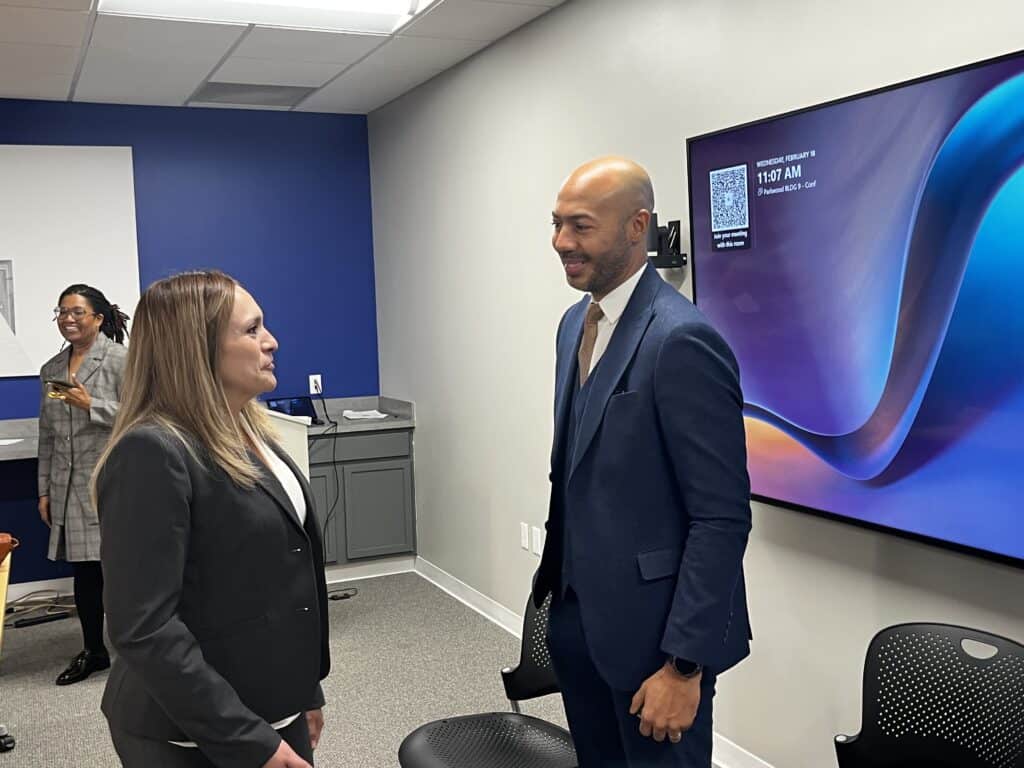
That spirit shaped a recent conversation with representatives from Old National Bank locations across the Midwest, who gathered to hear from Ahmed Young, president and CEO of the Indianapolis Foundation, and Tamara Winfrey-Harris, president of the Women’s Fund of Central Indiana. Together, they explored a critical question: How can financial institutions help communities not only grow, but truly thrive?
For Young, the answer begins with clarity of purpose. The Indianapolis Foundation’s vision is straightforward. It aligns with the foundation’s mission to help create a thriving community in Indianapolis, no matter race, place or identity, he said. That clarity guides every decision, from grantmaking and convening to how the Foundation leverages donor-advised funds, endowments and relationships.
“Our North Star is very clear,” Young said. “How do we create a thriving community here in Indianapolis and Marion County, no matter race, place or identity? When you’re very clear and granular about your ‘Why,’ it’s easy to make decisions about what battle you’re willing to wage.”
That focus has shaped the Foundation’s strategic priorities around housing, economic, health and environmental equity — and an intentional investment in young people as the city’s future leaders. As the Foundation marks 110 years of service, it will focus on elevating 110 community-centered stories that highlight families, organizations, and changemakers who are building a stronger Indianapolis every day, Young said.
Winfrey-Harris underscored a parallel commitment at the Women’s Fund: Listening first. Women across Indiana have made it clear that health, particularly reproductive and mental health, remains their most urgent concern, alongside economic stability, personal safety and empowerment for girls, she said.
“We are not going to work on behalf of women before we have listened to them,” Winfrey-Harris said. “This is not my organization. It belongs to women and girls in this state, and they told us that health was by and far the most important thing we should be focused on.”
Rather than assume solutions, the Women’s Fund is conducting statewide listening sessions and partnering with researchers to produce a comprehensive report on the well-being of women in all 92 counties, combining data with lived experience to guide long-term strategy.
Addressing today’s challenges
Both leaders were candid that philanthropy alone cannot solve today’s most complex challenges. Housing instability, caregiving pressures, health disparities, and a growing loneliness epidemic require collaboration across sectors.
“We cannot philanthropy our way out of some of these complex problems,” Winfrey-Harris said. “We can leverage our financial assets, yes, but we also need to bring people together to solve the problems we’re facing.”
Young challenged the financial representatives to look at Indianapolis’ success in hosting major sporting events — a model built on partnership across business, government and nonprofits — and apply that same blueprint to housing, environmental sustainability and the social determinants of health.
The conversation also highlighted the ideal relationship between banks and community foundations. Community foundations maintain close relationships with hundreds of local organizations and leaders. Financial institutions can deepen impact by encouraging clients to think long term about how their wealth shapes not only their families’ futures, but the future of the communities in which that wealth was built.
And in a time when national narratives often focus on division, Young pointed to something quieter, but powerful, happening every day.
“In times of crisis, in times of despair, people step up,” he said. “It’s the simple act of checking on your neighbor. It’s the simple act of making that phone call. That’s what gives me hope.”